
Explainer
Why tyre warm-up decides the Las Vegas Grand Prix
Track temperatures in the Nevada desert at midnight fall below 15°C. Marcus Reid explains what that does to a Formula 1 tyre.
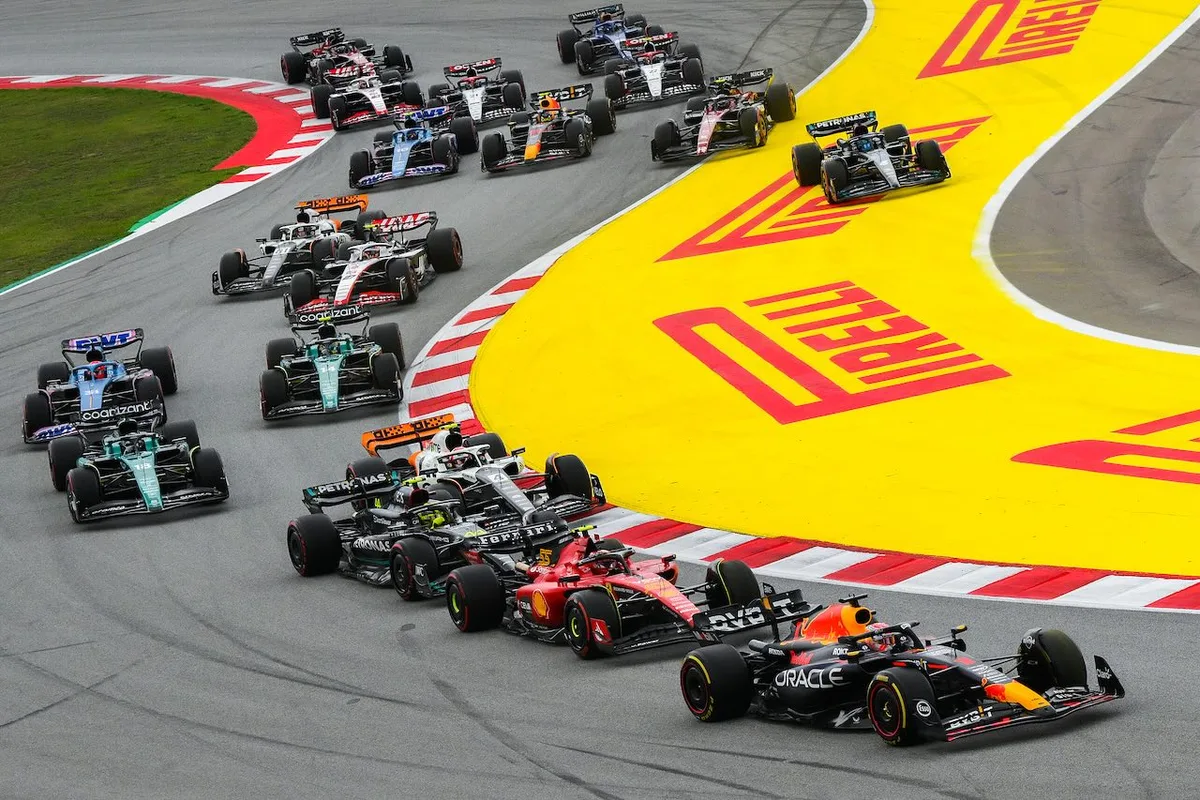
A Formula 1 tyre is designed to work in a narrow temperature window. Below it the compound does not generate grip; above it the surface degrades. In Las Vegas, the problem is always the bottom of that window.
The race starts at 10pm local time in November, and track temperature typically sits between 12°C and 16°C. That is colder than any other race on the calendar and colder than the tyre was designed for.
The consequences
First, the out-lap becomes critical. Drivers weave, brake hard and sometimes deliberately slide the car to put energy into the tyre carcass. Second, the first lap after a pit stop is extremely slow, which changes the maths of every strategy call.
You are not managing degradation here. You are managing getting the tyre to work at all.
Third, graining becomes the dominant failure mode. A cold tyre sliding on a smooth, low-grip surface tears small pieces of rubber from itself, and those pieces then reduce grip further.
What teams do about it
Teams run more aggressive brake ducting to push heat into the wheel rim, increase camber to load the shoulder of the tyre, and start on the softest compound available. None of it solves the problem. It only makes the first three laps of a stint survivable.
By the numbers
Las Vegas Street Circuit
Full profile- Length (km)
- 6.201
- Corners
- 17
- Race laps
- 50
- First Grand Prix
- 2023
- Lap record: 1:34.876 by Oscar Piastri (2023).